

Failure to Diagnose Heart Attack: Medical Malpractice
If you or a loved one was injured due to heart attack misdiagnosis, contact an experienced local medical malpractice provider to discuss your legal rights.
(more…)
0
Medical Malpractice Lawsuits for Misdiagnosis of Stroke
In honor of American Heart Month, let’s talk about misdiagnosis of stroke; one of the most common medical conditions caused by coronary artery disease and other common heart disorders. A patient who may be experiencing a stroke should be seen by a medical professional for a diagnosis and treatment as soon as possible (it is appropriate to visit the Emergency Room).
According to cdc.gov:
- In 2018, one out of every six deaths from cardiovascular disease were due to stroke.
- Someone in the United States has a stroke every 40 seconds.
- Every four minutes, someone dies of stroke.
- Every year, more than 795,000 people in the United States have a stroke.
- Stroke is a leading cause of serious long-term disability.
- Stroke reduces mobility in more than half of stroke survivors age 65 and over.
(more…)
Read More
0

Snow Shoveling Causes More than 11,000 Injuries and 100 Fatalities Each Year
The Pacific Northwest has been hit with a snow storm and very cold temperatures. With more snow and continued freezing temperatures in the forecast, there will be snowy roads and driveways for at least a week. As people get outside to shovel their sidewalks and driveways, they should know to be very careful. Data published by pubmed.ncbi.nlm.nih.gov reveals that there are about 11,500 injuries each year from shoveling snow, including 100 fatalities.
Read More
0

Failure to Diagnose Heart Attacks: Medical Malpractice
February is American Heart Month so this seems like a good time to talk about heart attacks, or more specifically, the damage that can be caused from failure to diagnose heart attacks. Until it was replaced by COVID-19, heart disease and the conditions it causes was the leading cause of death in the United States. Heart attacks, stroke and heart failure are all mostly preventable diseases when we make healthy lifestyle choices. A major survival factor for those experiencing heart attacks is access to quality healthcare with physicians who correctly diagnose their health issue.
If you have been seriously injured or lost a loved one due to a medical professional’s failure to diagnose or misdiagnose a heart attack, you may be entitled to compensation for medical bills, lost income, pain and suffering and more through a medical malpractice claim.
(more…)
Read More
0

Family Sues Seattle Children’s Hospital For Mold Found in Baby’s Heart After Surgery Causes Serious Illness
As reported on seattletimes.com, the family of a baby boy who ended up in critical condition after open-heart surgery at Seattle Children’s hospital has brought a negligence suit against the hospital for failure to disclose unsafe conditions in the hospital’s operating rooms. The infant – who was only six days old at the time he underwent open-heart surgery at Seattle Children’s hospital in October, 2019 – became gravely ill with a mold infection in his heart one-month post-surgery. The plaintiffs explain that they would not have chosen to have the surgery at Seattle Children’s hospital had they known about the mold issue. The family has had to rent an apartment near the hospital and says that their son has had respiratory and heart failure and needs another surgery. He may not be ready for release until his first birthday in September.
Read More
0
What is a Doctor’s Duty of Care?
Medical doctors and other health professionals owe a duty of care to their patients. A duty of care is the legal obligation doctors owe their patients to provide treatment in line with appropriate levels of care under the circumstances. This legal obligation is the first step in proving any medical malpractice claim.
(more…)
Read More
1

CDC Report Shows U.S. Maternal Mortality Affects Women Up to a Year After Delivery: Most Deaths Preventable
A 2019 CDC report casts light on a tragic reality in the United States: too many American women are dying from pregnancy-related complications up to a year after delivering their babies. A report released by the CDC today underscores the tragedy. The report found that including maternal deaths during pregnancy, at birth, or within 42 days of birth, the overall 2018 U.S. maternal mortality rate was 17.4 deaths per 100,000 live births. Clearly, the rate would be higher if it had included deaths up to 52 weeks after birth. The U.S. ranks 10th for maternal mortality among 10 other similarly wealthy countries.
(more…)
Read More
0

Pakistani Pediatrician Charged with Medical Negligence and Manslaughter after Allegedly Reusing HIV Infected Syringes
As reported by the Independent.co.uk, almost 900 Pakistani children and about 200 adults have tested positive for HIV in the city of Ratodero after receiving injections from a doctor that allegedly reused HIV infected syringes. Some children have died after becoming infected and those that are living with the disease are often shunned because of a misunderstanding that HIV can be contracted by touch. Health officials believe that the true number of those infected could be higher as they have tested less than one quarter of Ratodero’s 200,000 residents to date. According to the United Nations’ taskforce on HIV and Aids, HIV infections in Pakistan have nearly doubled to 160,000 since 2010.
Read More
0

Steps to Take If Your Valid Health Insurance Claim is Denied
Most insured Americans have frustrations with their health insurance company. If we haven’t been denied care ourselves, we may have heard stories about people who are gravely ill being denied prescription drugs or necessary tests, procedures or medical treatments. Even Medicare sometimes denies legitimate claims. In the worst cases, people who were denied coverage have died as a result.
If your valid health insurance claim was denied and the lack of care caused your illness to progress or your loved one’s claim was denied and they died as a result; then you may be able to recover damages with the help of a personal injury lawyer.
(more…)
Read More
0
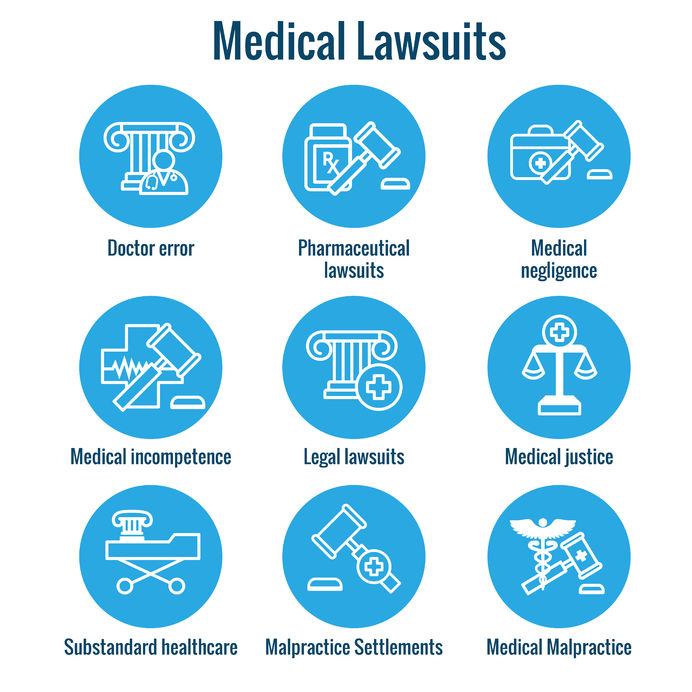
Medical Malpractice Lawsuits: Alleged Deadly Dosing by Mount Carmel Doctor
Medical Malpractice Attorney Gerald Leeseberg was hired by the family of Janet Kavanaugh who was 79 years old and near death when she was transferred from an assisted care facility to Mount Carmel West hospital in Columbus, Ohio. According to an article on WOSU Radio, her family asked that lifesaving measures be stopped, and that Kavanaugh be comfortable for her remaining time. Kavanaugh died Dec. 11, 2017. As Leeseberg began to review records from the assisted care facility and Mount Carmel he noticed a concerning pattern. Mount Carmel has now identified 25 patients under the care of William Husel – including Kavanaugh – who received an “excessive and potentially fatal” dose of the opioid fentanyl, which is used as a painkiller. All 27 patients later died, according to a statement by the hospital.
(more…)
Read More
0