
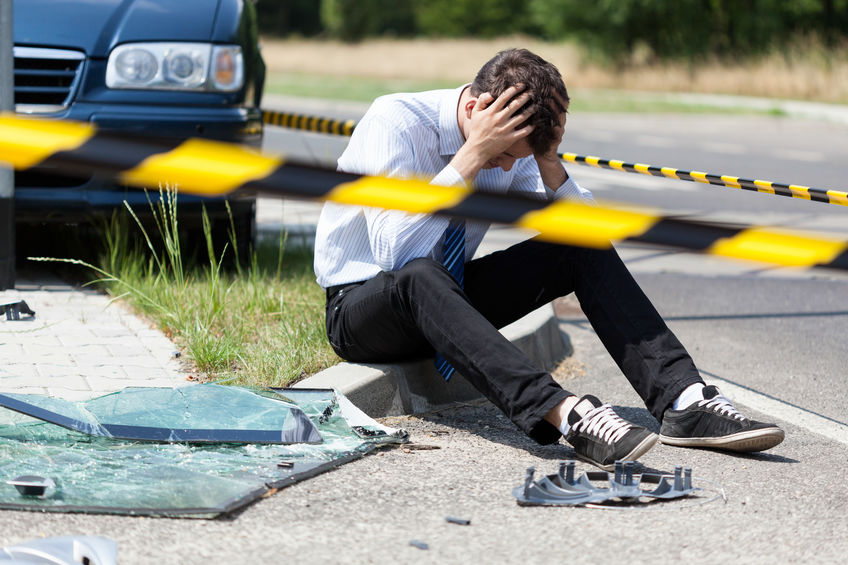
What is Uninsured Motorist Property Damage Coverage?
What happens if I am in an accident with an uninsured motorist?
Across the country, 14 percent of drivers are uninsured. In Washington State 18 percent of motorists are uninsured! If you are hit by a driver without car insurance and you don’t have uninsured motorist property damage coverage, then you will need to sue them for damages (and hope they have something to give) or pay for the expenses yourself. If you are injured by an uninsured driver and don’t have medical insurance, medical payments coverage or personal injury protection, you could end up paying for your own hospital bills. If you’re hit by an uninsured driver and don’t have collision coverage, you could end up paying your own car repair bills.
Uninsured motorist property damage (UMPD) coverage is designed to provide compensation when your insured vehicle is damaged by an accident with an uninsured vehicle. Each state sets a limit on the coverage; some are as high as the cash value of the car and some are as low as $3,500 or less. Some states have deductibles ranging from $200-$500 but many have no deductible.
Read More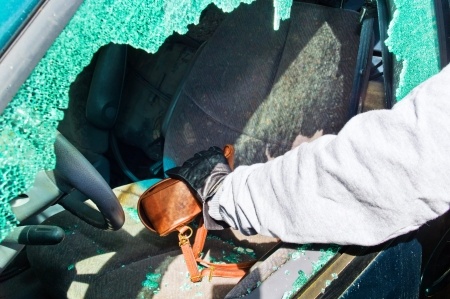
What Does Comprehensive Car Insurance Cover?
Liability coverage is required in most states. It is often referred to as Bodily Injury Liability and provides coverage in case of bodily injury or death from a car accident for which you are responsible.
Comprehensive car insurance is a type of car insurance designed to protect against the expenses of physical damage to a car. It is sometimes referred to as “other than collision” (OTC) coverage, or “Comp”. What exactly is this type of coverage and what does it cover?
Read More
Top 5 Car Insurance Scams
Car insurance scams by individual policy holders against their insurance provider have been around since insurance was invented but over the years insurance providers have gotten better at recognizing scams and catching the perpetrators. According to insurance fraud experts, insurance scams are the second highest financial crime in the United States. Additionally, more than 20 percent of personal injury claims and 10 percent of car wreck claims are from bogus or staged accidents.
Most people dread getting into a car accident; dealing with a wrecked car, haggling with your insurance company and personal injuries are no fun. The scary thing is that some car accidents are actually planned in order to pull off a car insurance scam. Innocent drivers end up paying the price both in higher premiums of $200-$300 per year, blemished driving records, personal injuries, and the hassles of repairing or replacing their car.
Top 5 Car Insurance Scams
Read More
My Car is Totaled! Will Gap Insurance Help?
A car is “totaled” when you have been in a car accident that caused more damage to the car than it is worth or is so badly mangled that it isn’t repairable. Your car insurance provider will owe you the cash value/retail market value of your car. An appraisal of the value of your car will be made by referencing independent auto-value guides such as Kelley Blue Book and NADA.
Once the value of the car has been established your car insurer may choose to:
- Replace the car with a comparable car for sale in your area, increasing the search in 25 mile increments if one is not found close by.
- Offer a cash settlement
(more…)
Read More
What is a Personal Insurance Policy (PIP)?
Car accidents can wreak all kinds of havoc on physical health and cause disruptions to one’s ability to work and earn money. Most people carry car insurance (it’s the law) but many may not be aware that they can add a Personal Insurance Policy (PIP). PIP is available in most states and is even required in some. Its purpose is to cover certain expenses or loss of income in the event of a car accident. PIP is often called “no-fault” coverage because it is designed to be paid regardless of who is at “fault” and a claimant’s insurance premium should not increase due to a PIP claim.
It is important to understand that even if you have a health insurance policy, you could still benefit from a personal insurance policy. A PIP can help to pay for gaps in your health care plan such as deductibles.
A Personal Insurance Policy Typically Covers (up to a certain limit):
Read More
Exercise Equipment Injuries Up 45%
Exercise equipment Injuries are a real risk for people seeking fitness at a home or gym. According to the U.S. Consumer Product Safety Commission there were 1500 visits to the emergency room from gym fitness equipment related accidents and 50,000 visits from home fitness equipment related accidents in 2009. Injuries caused by exercise and exercise equipment increased almost 45 percent between 2007 and 2010, according to the National Electronic Injury Surveillance System (NEISS).
Read More
Zumba Sports Injuries Skyrocket
With the rush back to the gym in January, the cardio-dance fitness trend Zumba is more popular than ever. More than 12 million people participate in classes every week and this has led to an increase in Zumba sports injuries. Orthopedic surgeons and hospital emergency rooms see Zumba related injuries on a weekly basis. New Zumba participants should be aware of the risk of injury in the sport as well as how to protect themselves.
Zumba Sports Injuries Skyrocket
There are several reasons for the increase in Zumba sports injuries:
Read More
Top 10 Slip & Fall Tips in Snowy & Icy Conditions
Winter is almost here but the temperatures are already dipping well below freezing. Snow and ice are always a possibility once the cold weather has arrived. A slip on snow or ice can mean serious injuries including fractures, dislocations and bruising to the wrists, shoulders, and ankles. There is the potential for medical care costs and/or lost wages due to time off of work. If you have slipped on ice or snow on someone else’s property you may be wondering if you can sue for damages. Slip and fall personal injury laws vary from state to state but if you have experienced a legitimate slip and fall injury do not hesitate to pursue an injury case against the property owners.
A slip and fall injury case falls under premises liability. Premises liability is an area of negligent torts that holds a public or private property owner responsible for acts or omissions in care of their property that lead to an injury. A slip and fall accident that happens on private property is typically a more complicated case.
An owner of a store, for example, owes a duty of care to his customers that he will use all reasonable care to protect his customers from injury on the store premises.
Common hazards that can lead to valid slip and fall accidents include:
- A wet floor without proper warning signage
- Products stacked high on a shelf that fall on the customer
- Broken doors or shelving
- Boxes stacked in the middle of a shopping aisle
- Icy or snowy parking lots*
*In Washington, store owners are not legally required to remove snow and ice that are naturally accumulated but if they choose to remove it, it cannot be done in a negligent manner.
Top 10 Slip & Fall Safety Tips in Snowy & Icy Conditions
A slip and fall on snow or ice can cause a serious injury, especially if you fall on concrete. Winter months can see a ten-fold increase in emergency room visits due to outdoor slip and fall accidents in icy conditions. Be aware that black ice is hard to see so a surface can look clear when it isn’t and that many slips and falls happen on front steps to your house or while walking a path to your car.
If you can, just stay home but if you are forced to go outside follow these 10 safety tips:
1. Walk with slow, deliberate, short steps with your knees slightly bent; do not jog in the ice!
2. Wear shoes with rubber soles or add shoe ice grippers around your shoes.
3. Wear bright clothing and reflective clothing if it is dark.
4. Bring a flashlight to light the path if it is dark.
5. Do not wear anything on your face that could restrict your vision.
6. Walk with your hands out of your pockets and wear gloves so you will be more likely to break your fall if you do slip.
7. Watch for overhead dangers such as hanging icicles.
8. If provided, use a handrail when descending or ascending steps.
9. Walk on a footpath or if there isn’t a footpath then walk on the right side of the road toward oncoming traffic.
10. Consider using a walking stick or ski pole.
If you or a loved one were injured in an accident, you have enough to deal with. Let an experienced accident attorney fight for the full compensation that you deserve. It is not uncommon to receive a settlement from the insurance company that is five to ten times bigger with the help of a lawyer. Call the caring accident attorneys at Tario & Associates, P.S. today for a FREE consultation! You will pay nothing up front and no attorney fees at all unless we recover damages for you!
Read More
Thanksgiving Cooking Safety Tips
When we think of Thanksgiving most people picture a big, juicy turkey, stuffing, gravy, and mashed potatoes. A great meal is at the heart of Thanksgiving Day and that means plenty of time spent cooking in the kitchen. With extra people in the house, more alcohol consumed, and multiple cooking elements going at once, it’s no wonder that cooking fires are almost double that of any other day. Cooking is the leading cause of home fires and home fire injuries on Thanksgiving Day and Thanksgiving Day is the number one day of the year for home fires involving cooking equipment. Thanksgiving Day home fires are particularly dangerous as they cause more property damage and claim more lives than home fires on other days.
Cooking Safety Tips For Thanksgiving
Kids love to help in the kitchen which makes it especially important to follow good safety procedures while cooking. Even if you have no children around, it is still important to stay vigilant about Thanksgiving cooking safety.
- Stay in the kitchen while your stove burners are on to keep an eye on the food.
- Do not leave your home while a turkey is in the oven and check on it often.
- Keep children at least three feet away from the stove.
- Keep kids away from hot food and liquids.
- Be cautious around steam or splashing water from cooking vegetables, gravy, or coffee as it could cause serious burns.
- Offer activities that keep kids out of the kitchen during cooking. Keep the kitchen floor clear of toys and bags to avoid a tripping hazard.
- Check that electric cords from an electric knife, mixer, coffee maker, or plate warmers are not dangling off the counter where a child could grab them.
- Make sure your smoke alarms are working. You can test them by pushing the test button.
Deep-Fry Turkey Safety Tips
Deep frying a turkey can be particularly dangerous if proper safety procedures are not followed. Observe these safety tips to avoid a house fire:
- Deep fry the turkey outside, a fair distance from the house and never under an enclosure.
- Make sure the turkey is completely thawed and dry when placing it in the fryer (oil and water don’t mix).
- Keep animals and kids away from the deep fryer for their own safety and so they don’t accidently knock it over.
- Do not drink or do drugs; you will need all your wits about you.
- Do not use too much oil as many accidents occur when excess oil spills over the pot.
- Oil should be no more than half an inch above the turkey.
- Turn off the fryer immediately if any smoke appears.
- Never leave a fryer unattended.
- Center the pot over the burner.
- Raise and lower the turkey slowly to reduce the chance of splatters and burns.
- Make sure your skin is completely covered when you deposit, check on or remove the turkey.
- Check on the oil temperature frequently.
- If a fire ignites, call 911 immediately. DO NOT attempt to extinguish the fire with water.
If you or a loved one were injured in an accident, you have enough to deal with. Let an experienced accident attorney fight for the full compensation that you deserve. It is not uncommon to receive a settlement from the insurance company that is five to ten times bigger with the help of a lawyer. Call the caring accident attorneys at Tario & Associates, P.S. today for a FREE consultation! You will pay nothing up front and no attorney fees at all unless we recover damages for you!
Read More
Space Heater Safety Tips
The cold weather is here so people are thinking about heating their homes and the bill that comes along with keeping the cold at bay. Many people turn to space heaters as an alternative to residential furnaces as they are an effective way to warm a room and they are surprisingly energy efficient. Other advantages to space heaters include their ability to heat a space as large as 300 square feet both rapidly and evenly.
Space Heater Accidents
Between 2005 and 2007 space heaters were the direct cause of about 3,800 house fires a year. These house fires were responsible for 115 deaths and 250 injuries. Space heaters are responsible for 82 percent of deaths in house fires caused by heating devices. Children under the age of five and the elderly over the age of 65 are the most common victims of space heater accidents. Homes in the south have a higher rate of space heater accidents because so many people can’t afford to heat their homes and because there isn’t as much demand for furnace heat due to a warmer climate.
Home heating equipment is the second leading cause of home fires behind cooking equipment although the fires are more common in the winter when cold temperatures emerge. The good news is that fires and deaths caused by home heating equipment are on the decline. In fact, fires caused by home heaters in 2008 were down by 72 percent from 1980. New technology has helped to decrease the safety risks in home heaters. A modern space heater comes with a circuit breaker and automatic shutoffs when it is toppled or clogged or when it overheats. Still, we should follow portable heater safety tips to avoid fires in our home.
Portable Heating Safety Tips
- Keep flammable items at least three feet away from the heating device.
- Teach your children about the heat that heaters put out and have a three-foot “kid-free zone” around your space heaters.
- Have a qualified professional check and clean your heating equipment and chimneys each year before use.
- Do not leave portable heaters running when leaving the room or going to bed.
- If you are using a fuel-burning space heater, only use the type of fuel recommended by the manufacturer
- Test smoke alarms on a regular basis.
- Store fuel containers, piping, and regulators upright in a safe and dry area where they will not be damaged; preferably outdoors.
- Protect valves from physical damage.
When used correctly, space heaters are a safe, cost-efficient, and effective way to heat rooms within your home. Be sure to follow safety tips to avoid a space heater accident.
If you or a loved one were injured in an accident, you have enough to deal with. Let an experienced accident attorney fight for the full compensation that you deserve. It is not uncommon to receive a settlement from the insurance company that is five to ten times bigger with the help of a lawyer. Call the caring accident attorneys at Tario & Associates, P.S. today for a FREE consultation! You will pay nothing up front and no attorney fees at all unless we recover damages for you!
Read More